
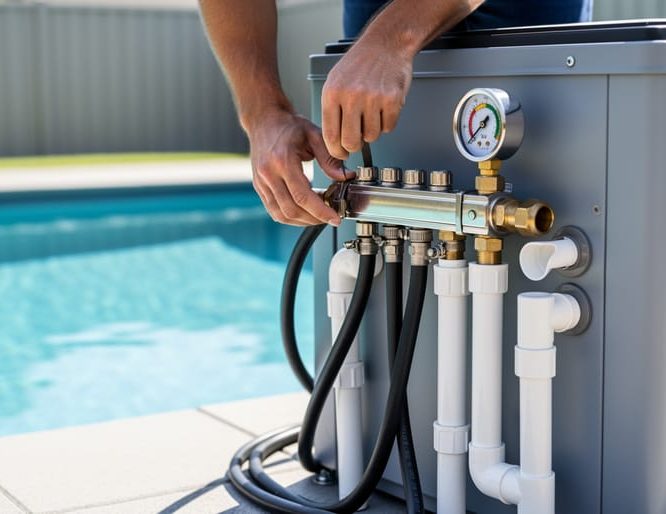
Product usability defines how easily and effectively a user can install, operate, and maintain a product to achieve their intended goals. For solar pool heating systems, this translates to straightforward installation processes that don’t require specialized tools or professional help, intuitive operation that homeowners can understand at a glance, and minimal maintenance demands that fit into busy schedules.
The stakes are high. A poorly designed solar pool heater might promise energy savings and eco-friendly warmth, but if the installation manual reads like an engineering thesis or the system requires constant adjustments, it ends up abandoned in the garage. Real usability means a homeowner can confidently set up their system on a Saturday morning and enjoy a warm pool by evening, without calling for backup.
True product usability goes beyond slick marketing claims about “easy setup.” It encompasses every touchpoint: clear instructions with visual guides, components that connect logically without guesswork, controls that make sense the first time you see them, and troubleshooting steps you can actually follow. For solar pool heating, where DIY installation offers significant cost savings, usability directly impacts whether you’ll harness free solar energy or face frustration.
This guide examines what separates genuinely user-friendly solar pool heating products from those that sound simple but deliver headaches. We’ll break down the specific factors that matter during installation and daily operation, giving you practical criteria to evaluate products before purchase and realistic expectations for your solar heating journey.
The Real Meaning of Product Usability in Solar Pool Heating
Product usability in solar pool heating means more than a slick user interface or friendly instruction manual. It’s the complete experience from unboxing to years of reliable operation, covering everything that determines whether your sustainable heating investment actually warms your pool or collects dust in the garage.
Understanding how solar pool heating works is just the starting point. True usability encompasses four interconnected dimensions that separate systems people actually use from those they abandon:
- Installation Accessibility
- The ease with which you can physically set up the system, from mounting panels to making connections, without specialized tools or advanced technical knowledge.
- Operational Intuitiveness
- How naturally you understand and control the system’s daily functions, including flow adjustments and temperature management, without consulting manuals or troubleshooting guides.
- Maintenance Simplicity
- The straightforward nature of routine upkeep tasks like cleaning, inspections, and minor repairs that keep the system performing optimally over time.
- System Reliability
- The product’s ability to function consistently without frequent interventions, combining durable construction with design choices that prevent common failure points.
For DIY homeowners, usability determines whether a Saturday project succeeds or turns into a weekend of frustration ending with an expensive service call. Professional installers benefit from efficient installations that stay within quoted time frames and generate fewer callback visits for minor issues.
The environmental promise of solar pool heating only delivers when systems actually get installed and used consistently. A complex, finicky system undermines sustainability goals regardless of its theoretical efficiency. The most eco-friendly solution is the one that works reliably season after season, making warm swimming accessible without constant intervention or premature replacement.
Installation Usability: The First Make-or-Break Moment
What Makes Installation Actually Easy
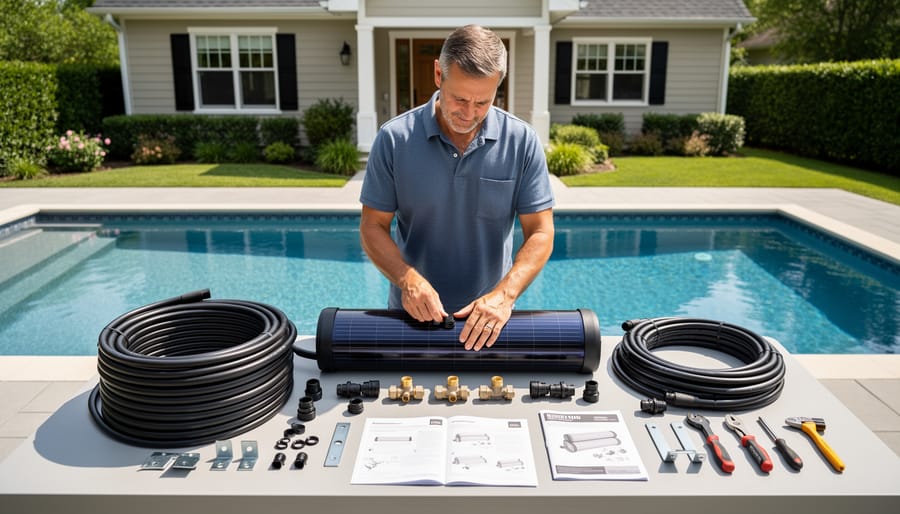
Installation ease starts with components that tell you what to do before you read a single instruction. The best solar pool heating panels for 2026 feature numbered connection points that correspond directly to your manifold outlets, no guessing which panel goes where or whether you’ve created proper flow patterns.
Color-coded plumbing connections eliminate the most common installation mistakes. When your inlet connections use blue fittings and outlets use red, you can’t accidentally reverse flow direction. Quality manufacturers extend this thinking to O-rings, clamps, and even the panels themselves, with discrete colored markers that indicate orientation without plastering your roof with garish labels.
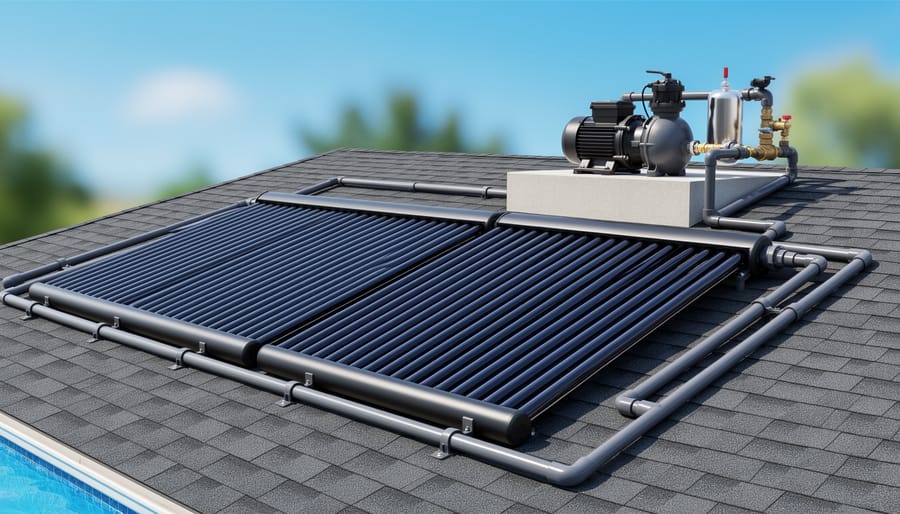
Pre-assembled sections dramatically reduce installation time and error rates. Rather than connecting individual panels with multiple couplers and potential leak points, look for systems where two or three panels arrive as integrated units. You’re securing one larger assembly instead of wrestling with a dozen separate pieces while balanced on your roof.
Smart connection design means fewer tools and less frustration. The shift toward quick-connect fittings for 2026 solar pool systems lets you snap headers together without hunting for specific wrenches. Threaded connections that require only hand-tightening plus a quarter-turn with standard pliers beat systems demanding specialized tools you’ll use once.
Mounting hardware that adjusts without modification solves real-world installation challenges. Brackets with slotted holes accommodate varying rafter spacing. Straps with multiple cinch points work across different panel configurations. These small design choices mean your actual roof works with the system, rather than forcing the system to match an idealized installation scenario that exists only in the manual.
The Documentation Nobody Reads (But Should Be Clear Anyway)
Good documentation won’t save a poorly designed product, but bad documentation will absolutely sink a great one. The reality? Most homeowners skim the manual, miss critical steps, and end up watching YouTube videos from strangers instead of following official guides.
Smart manufacturers accept this behavior and design around it. Clear visual diagrams that show exactly where each component goes beat wall-of-text instructions every time. Color-coded connection points in the manual should match the actual product colors. Numbered steps work better than paragraphs of explanation.
QR codes have transformed solar pool heating documentation since 2024. Scan a code on the manifold, watch a 90-second video showing exactly how those clips engage. Need help with roof mounting? Another code takes you straight to the relevant tutorial. This approach meets users where they actually are: standing on a ladder with a phone in hand.
The best documentation follows installation sequence, not component listing. Start with layout and positioning, move to connections, finish with testing. Each major step gets its own page spread with large photos showing the completed stage.
Technical specifications belong in an appendix, not scattered throughout assembly steps. Pressure ratings, temperature ranges, and compatibility charts matter for planning and troubleshooting, but they shouldn’t interrupt the installation flow.
Manufacturers who nail documentation create confident installers who recommend their products. Those who don’t wonder why their returns spike every spring.
Common Installation Pain Points and Smart Design Solutions
Roof mounting remains the toughest hurdle for most DIY installers, so 2026’s best systems include adjustable mounting brackets with pre-drilled patterns that match standard rafter spacing and eliminate guesswork about panel orientation. Manifold connections confuse even experienced installers when each valve requires separate thread tape and precise torque settings, smart designs now use color-coded quick-connect fittings that click into place without tools while maintaining pressure integrity that meets NEC solar code requirements. Pressure testing creates anxiety because traditional systems force you to complete the entire installation before discovering leaks, but modular designs let you test each section independently as you build.
Panel orientation errors happen when installers can’t easily determine which direction maximizes sun exposure, newer panels include built-in angle guides and directional markers that show optimal positioning for your latitude without calculations.
Daily Operation Usability: Set It and Enjoy It
Pressure Monitoring Systems That Actually Help
Solar pool heating systems run most efficiently within specific pressure ranges, but traditional monitoring approaches forced homeowners to interpret gauges, understand PSI numbers, and diagnose problems themselves. Modern pressure monitoring transforms this technical challenge into straightforward system feedback that anyone can understand.
The most usable systems employ color-coded visual indicators that communicate system status at a glance. Green zones signal optimal operation, yellow indicates attention needed, and red demands immediate action. You don’t need to know whether 15 PSI is good or concerning, the system tells you directly. This design eliminates the learning curve that traditionally separated confident pool owners from frustrated ones.
Advanced 2026 models integrate alert systems that notify you before minor pressure issues become expensive problems. Some use smartphone notifications when pressure drops below safe thresholds, warning of potential leaks or blockages. Others incorporate audible alerts at the manifold itself. The key usability factor isn’t the technology, it’s whether the alert tells you what’s wrong and what action to take.
The most effective pressure monitoring systems combine real-time feedback with actionable guidance. Rather than displaying “Low Pressure Warning,” truly usable designs specify “Check panels for debris” or “Inspect connections at manifold.” This transforms monitoring from a diagnostic puzzle into a simple maintenance prompt, ensuring your eco-friendly heating system maintains peak performance without requiring technical expertise.
Adjustments That Don’t Require an Engineering Degree
Modern solar pool heating systems should adapt to your needs without consulting a technical manual. The best designs recognize that homeowners want warm water, not a second job managing valves and flow rates.
Manifold systems now feature clearly labeled bypass valves with simple directional indicators. Instead of cryptic markings, look for manifolds with visual flow diagrams molded directly into the housing. These show exactly which position sends water to your panels and which bypasses them for summer cooling or winter shutdown. Quality systems use quarter-turn valves that require just a 90-degree rotation, not multiple handle turns that leave you guessing whether you’ve achieved the right setting.
Flow adjustments have evolved significantly. The most user-friendly solar systems incorporate self-regulating flow restrictors that maintain optimal circulation without manual tweaking. For seasonal changes, premium systems use graduated adjustment knobs with clear temperature range markings rather than arbitrary numbered scales. You simply turn the dial to match your target pool temperature, and the system handles the rest.
Automatic diverter valves represent the pinnacle of operational simplicity. These temperature-sensing valves automatically route water through panels when heating is beneficial and bypass them when it isn’t, eliminating daily decision-making entirely. While they cost more upfront, they deliver the set-it-and-forget-it experience that defines genuine usability.
The environmental benefit of solar heating only materializes when the system actually runs. Intuitive controls ensure consistent use throughout the swimming season.
Maintenance Usability: The Long-Term Relationship
The difference between a solar pool heater that serves you for fifteen years and one that frustrates you after two comes down to maintenance usability. Good design doesn’t eliminate maintenance entirely, no outdoor system does, but it makes the required tasks simple enough that you’ll actually do them.
Smart manufacturers design for inspection accessibility. Panels should mount with enough clearance to check connections without contorting yourself across a roof. Manifolds positioned at reachable heights let you examine seals and adjust flow without a ladder acrobatics routine. When pressure gauges sit where you can read them from ground level, you’re more likely to catch small issues before they become expensive ones.
Durability reduces maintenance frequency, which might be the highest form of usability. Materials that resist UV degradation, thermal cycling, and chemical exposure from pool water simply need less attention. A system using commercial-grade EPDM rubber gaskets instead of basic O-rings goes years longer between replacements. Corrosion-resistant hardware stays functional while cheaper alternatives seize up, transforming a ten-minute valve adjustment into an hour of frustration.
Troubleshooting simplicity separates genuinely usable systems from those that demand professional intervention for minor problems. Modular designs let you isolate issues to specific panels or sections rather than diagnosing the entire array. Quick-disconnect fittings mean testing individual components without draining the whole system. Clear diagnostic indicators, a pressure drop here, reduced flow there, point you toward solutions instead of leaving you guessing.
The connection to cost-effectiveness runs deeper than avoiding repair bills. Systems that remain easy to maintain actually get maintained, which extends their productive life and maximizes your return on investment. This longevity carries environmental significance too: a solar heater running efficiently for twenty years prevents far more carbon emissions than one abandoned at year five because maintaining it became too difficult.
Manufacturers committed to service quality assurance build maintenance usability into their products from the start. They understand that eco-friendly solutions only benefit the environment when they stay in service long enough to offset their manufacturing impact.
Choosing Usable Products: What to Look For in 2026
Before you commit to any solar pool heating system, evaluate these five usability indicators that separate genuinely user-friendly products from frustrating investments.
Look for pre-assembled components. Systems that arrive with manifolds already built, headers factory-installed, and panels pre-connected reduce installation time by hours and eliminate the most common assembly errors. Quality manufacturers understand that fewer connection points mean fewer potential leak sources and simpler troubleshooting.
Check for visual installation cues. Color-coded tubing, clearly marked inlet/outlet ports, and numbered panel sequences signal that the manufacturer has prioritized installer experience. If you can’t immediately identify where components connect from product photos, imagine the confusion during actual installation on your roof.
Verify documentation quality before purchase. Download installation manuals from manufacturer websites. Clear diagrams, logical step sequences, and QR codes linking to video tutorials indicate usability-focused design. Sparse instructions or purely text-based guides suggest the manufacturer hasn’t invested in user experience.
Assess monitoring capabilities. Built-in pressure gauges, temperature sensors with clear displays, and simple diagnostic systems help you maintain peak performance without technical expertise. Systems requiring separate tools or complex calculations to verify operation create unnecessary friction in daily use.
Evaluate manufacturer support accessibility. Companies offering phone support, detailed FAQ sections, replacement part availability, and warranty clarity demonstrate commitment to long-term usability. Before you calculate heat output and performance specs, confirm the manufacturer will actually help when you need them.
Real-world testing matters more than marketing claims. Seek out installer reviews, third-party certifications specific to ease of installation, and homeowner feedback focusing on actual use rather than just performance numbers.
The difference between a solar pool heater that transforms your swimming experience and one gathering dust in storage comes down to usability. Performance specs and eco-friendly credentials mean nothing if installation feels overwhelming or daily operation requires constant intervention. The most sustainable choice isn’t the system with the highest efficiency rating on paper, it’s the one you’ll actually install, use consistently, and maintain for years.
When evaluating solar pool heating options for 2026, give usability equal weight alongside thermal performance and upfront cost. Look for designs that respect your time and skill level, whether you’re tackling weekend DIY projects or managing professional installations. Well-engineered systems prove that environmental responsibility doesn’t require sacrifice or complexity. They deliver what matters most: warm water, lower energy bills, and the satisfaction of knowing your comfort doesn’t cost the planet.